Pay in installments of $5.99 with
 ,
,
 and
and

Shipping Estimate
USA
- USA
- CAN
- USA
- CAN
Ships within 48 hours · Estimated delivery Jul 2 - Jul 7
 Promo Codes Available:
For Your Every Summer RSVP, with Code: SUMMER15
Description
planting kale seeds in pots Organic Kale Seeds — 'Dwarf Blue Curled Vates' – Back to the RootsOverview Kale is a cold hardy and prolific producer of nutritious greens. Use baby leaves raw in salads or saut or steam mature leaves. Kale is a good source of dietary fiber, protein, thiamin, riboflavin, folate, iron, magnesium and phosphorus, and is very rich in vitamins A, C, and B6, calcium, potassium, and copper. Conditions For soil, use a fertile well draining potting mix thats tailored for vegetables. Kale thrives in cooler growing
Overview
Kale is a cold hardy and prolific producer of nutritious greens. Use baby leaves raw in salads or sauté or steam mature leaves. Kale is a good source of dietary fiber, protein, thiamin, riboflavin, folate, iron, magnesium and phosphorus, and is very rich in vitamins A, C, and B6, calcium, potassium, and copper.
Conditions
For soil, use a fertile well-draining potting mix that’s tailored for vegetables. Kale thrives in cooler growing temperatures between 55–75°F (ideally 60–70°F), but will still produce good crops under warmer, summer conditions. For the best quality leaves, provide kale with full sun (6 or more hours of direct sunlight).
Planting
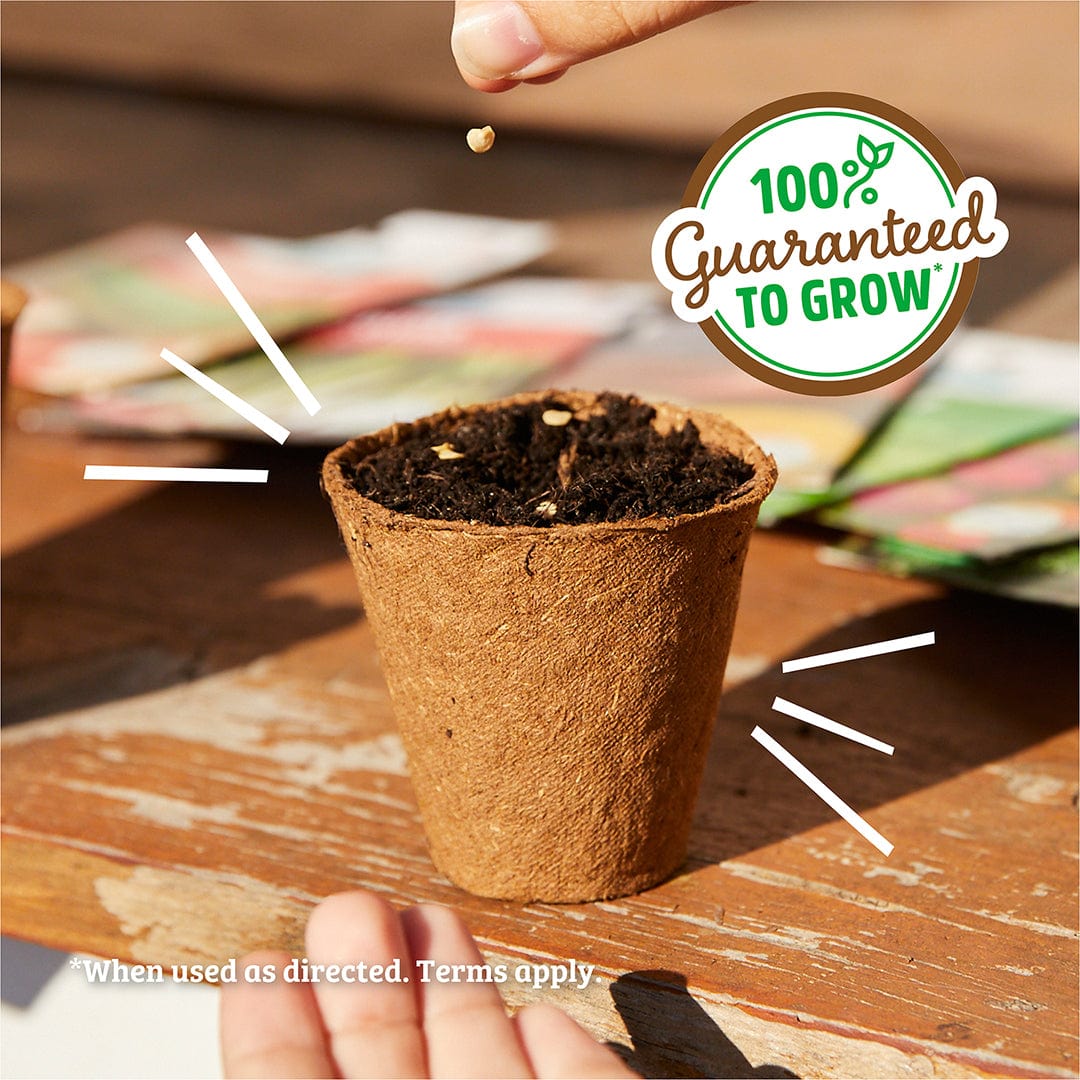
Because Kale prefers cool growing temperatures, it’s recommended to plant seeds outdoors early spring or mid fall once temperatures have dropped. Use our grow calendar tool to find specific dates for your region! Seeds germinate in 5–10 days. Kale can be grown for either baby greens or full-sized plants. For baby leaves, plant 60 seeds/ft. in a 2–4" wide band, ¼" deep. Do not thin, and begin to harvest ~3 weeks after planting. For full-sized leaves, plant 3–4 seeds every 12", ¼” deep. Thin to 1 plant per group.
Pests and Disease
Kale is not as afflicted with pests as its relatives such as cabbage. Apply row covers at the time of planting to exclude pests from the crop. Control cabbage worms and loopers with natural biological control bacillus thuringiensis (BT) spray.
Harvest
Baby leaves can be harvested starting from 3 weeks after planting. Clip as needed.
For mature leaves, begin harvesting the outermost leaves about 2 months after planting. Start clipping from the base of the plant, but keep at least 4 leaves on the plant to encourage more to grow. Cool weather brings out the sweet, nutty flavor of this highly nutritious green. If you planted Kale in the Fall, harvest after the first cool frost for sweeter leaves. Small, tender leaves can be eaten uncooked and used in salads. Sauté large leaves, but remove the tough ribs before cooking.
Shipping Notes
- Free Standard Shipping on $100+ Orders to the USA.
- Except Preorder products are shipped in 48 hours.
- Delivery to the USA:
- Standard Shipping : 3-10 business days
- If time is of the essence, please consider selecting expedited delivery for faster service.
Exchange/Return Notes
- We offer a 30-day return/exchange service after receiving.
- Final sale items are not eligible for returns or exchanges.
- To process your return/exchange, please contact us at [email protected]
- Please click here for more details>>> Return & Exchange Policy